
Window Tint in Hobbs, NM: What Lea County Drivers Should Consider First Hobbs sits in the southeastern corner of New Mexico in Lea County, bordered by the West Texas Permian Basin and defined by a high desert climate that delivers intense UV radiation, low humidity, extreme summer heat, and persistent wind-driven dust. Vehicles in this environment face conditions that accelerate film degradation faster than in more temperate markets. The combination of strong sun, temperature swings between day and night, and airborne caliche dust creates a demanding environment for both the film material and the adhesive system holding it to the glass. Understanding what separates a durable installation from one that fails within a season helps Hobbs drivers make an informed decision before booking. Why High Desert Conditions Test Film Quality Hobbs and the surrounding Lea County area receive some of the highest UV exposure levels in New Mexico. Unlike Gulf Coast or coastal California markets where humidity moderates surface temperatures, the high desert’s dry heat concentrates thermal stress directly on vehicle surfaces and film adhesives without the buffering effect moisture provides. In a general sense, dyed films may fade, discolor, or lose infrared heat rejection performance more rapidly under sustained desert UV and heat exposure, depending on the manufacturer and construction quality. Carbon films improve on this by embedding carbon particles within the film structure for better color stability and moderate heat control. Ceramic and nano-ceramic films address the high desert’s conditions most directly, targeting infrared radiation at the glass surface without relying on metal layers or dye chemistry that degrades under prolonged sun exposure. Films such as those made by HITEK Films use nano-ceramic and carbon-ceramic construction engineered for sustained high-UV, high-heat environments in markets like southeastern New Mexico and the West Texas border region. Dust and Dry Air Affect Installation Results Hobbs’s high desert environment introduces installation-specific challenges that humid coastal markets do not face in the same way. Airborne caliche dust, sand, and fine particulate from Lea County’s oil field and agricultural activity settle on glass surfaces continuously and require thorough decontamination before any film is applied. Film installed over inadequately cleaned glass traps these particles beneath the adhesive during application. Once the adhesive cures, these contaminants remain permanently embedded in the film and affect optical clarity. In a dry climate like Hobbs, where dust accumulation is constant and rapid, surface preparation is a more demanding step than in cleaner-air markets. Dry air also affects the curing process differently than humid environments. In low-humidity conditions, film adhesive may cure faster than expected, which can be an advantage but also reduces the margin for repositioning during installation. Understanding how the local climate affects both preparation and curing informs what a quality installation process should look like in Hobbs specifically. Warranty Terms That Matter in Desert Markets Warranty coverage on window film is a practical consideration that becomes relevant after the installation appointment, not during it. For Hobbs drivers investing in performance film for a high-desert environment, knowing what the warranty covers before committing to a product protects the investment from day one. What quality film warranties cover and exclude in desert markets: Covered defects include peeling, cracking, bubbling, and fading beyond defined performance thresholds during the warranty period under normal use conditions. Excluded damage includes physical abrasion from sharp objects, improper cleaning materials, and customer-caused wear that falls outside film defect parameters. Manufacturer-backed coverage from established brands, such as those made by HITEK Films, provides documented warranty terms applicable to qualifying products installed by authorized dealers following manufacturer procedures. Confirming the specific film being installed carries a manufacturer warranty and that the installation meets the conditions required to preserve it is a straightforward step before any appointment. New Mexico Tint Law and Hobbs Compliance New Mexico requires at least 20% visible light transmission on front side windows for passenger vehicles. Rear side and back windows allow darker applications. Windshield tint is restricted to a non-reflective strip above the AS-1 line. New Mexico’s 20% front window standard is more permissive than many other states, giving Hobbs drivers more flexibility in shade selection for front windows than drivers in California or Ohio. However, selecting a shade darker than the legal front window limit still creates enforcement exposure during traffic stops on Highway 180, Lovington Highway, and throughout Lea County. Frequently Asked Questions What is the legal front window tint limit in New Mexico? New Mexico requires at least 20% visible light transmission on front side windows for passenger vehicles. Rear side and back windows allow darker applications with more flexibility by vehicle type. Does ceramic film hold up in extreme desert heat? Non-metallic ceramic films maintain adhesive bond integrity and heat rejection performance more consistently under sustained high-desert heat than dyed or lower-tier alternatives, in a general sense depending on the manufacturer. Ceramic construction avoids the dye degradation and adhesive softening that extreme desert temperatures accelerate in lower-quality products. How does dry air affect the curing period after installation? In Hobbs’s low-humidity environment, film adhesive can cure faster than in humid markets. While this shortens the curing window in some cases, windows should still remain closed for several days after installation to allow full adhesive stabilization before rolling them down or cleaning the glass. Is it necessary to remove old tint before applying new film? Yes. Layering new film over existing tint creates adhesion inconsistencies, affects the final VLT reading relative to New Mexico’s legal front window standard, and produces visual distortion. Old film should be professionally removed before new film is installed.
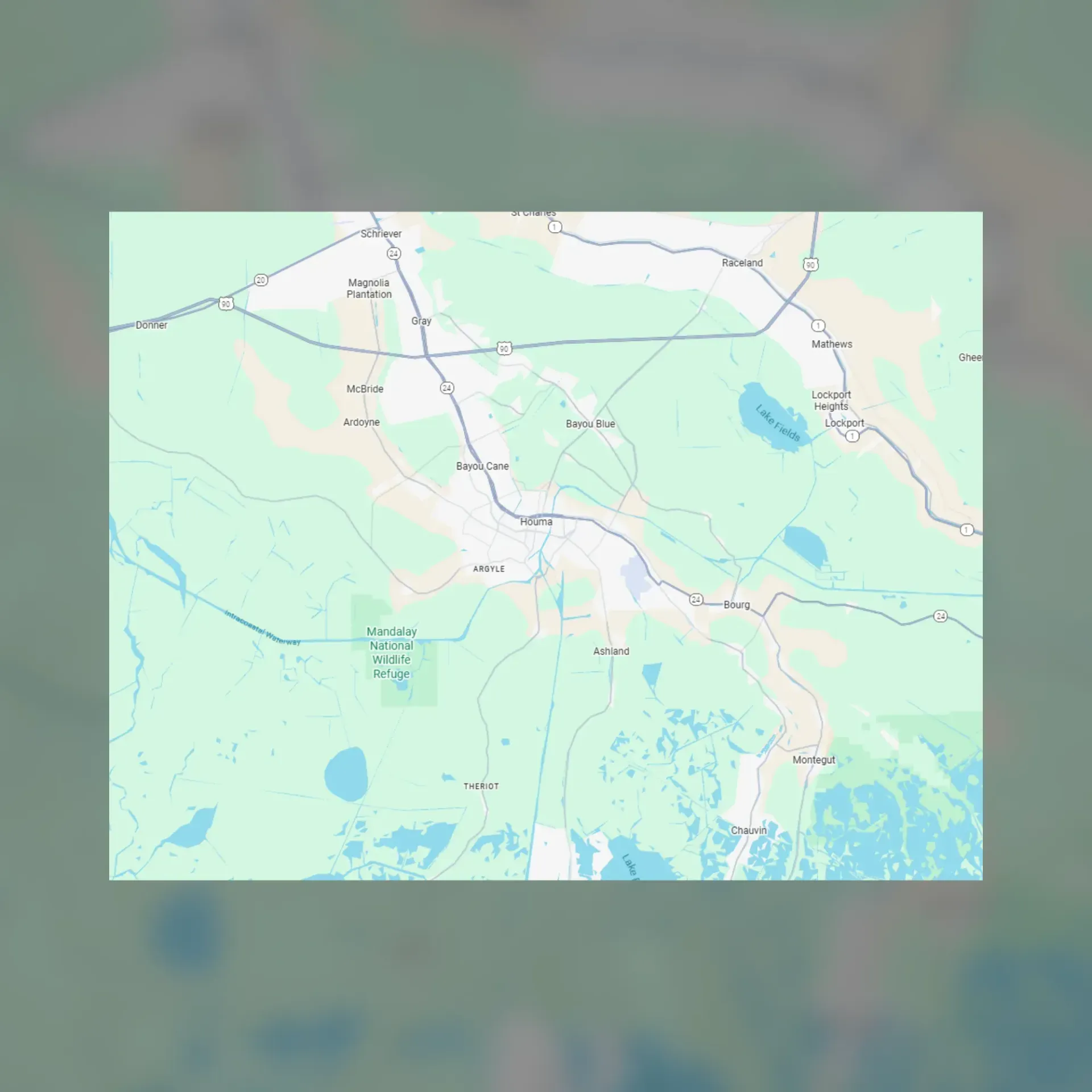
Louisiana Tint Laws (2026): What’s Legal for Car Window Tinting?